
ceylon Black Tea

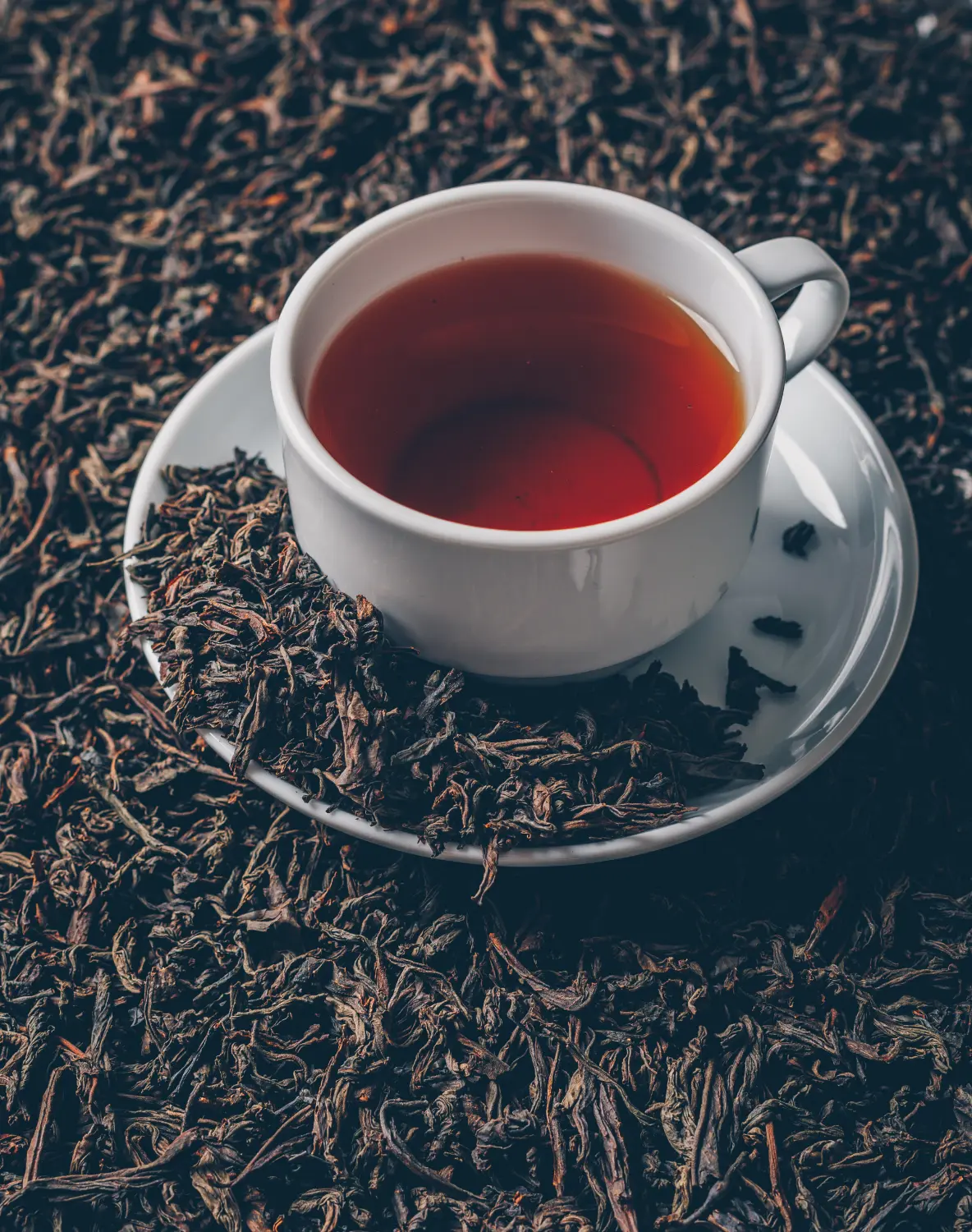
Ceylon Black Tea is a bold, full-bodied tea from Sri Lanka, known for its rich flavor, deep amber hue, and invigorating aroma, perfect for those who enjoy a robust cup with or without milk.
 
Grown in the sun-kissed hills of Sri Lanka, *Ceylon Black Tea* is celebrated worldwide for its bright, brisk character and versatility, whether enjoyed plain or as iced tea.

Ceylon Black Tea

Ceylon Black Tea is a bold, full-bodied tea from Sri Lanka, known for its rich flavor, deep amber hue, and invigorating aroma, perfect for those who enjoy a robust cup with or without milk.
 
Grown in the sun-kissed hills of Sri Lanka, *Ceylon Black Tea* is celebrated worldwide for its
bright, brisk character and versatility, whether enjoyed plain or as iced tea.
Broken Orange Pekoe (BOP)

Broken Orange Pekoe is one of the most widely recognised grades of Ceylon black tea, consisting of broken tea leaves that yield a robust, full-bodied infusion. BOP consists of smaller, fragmented pieces that brew faster, producing a deep amber liquor with a bold, malty flavour and a slightly brisk finish.
 
This grade is ideal for those who prefer a strong, brisk cup with a rich aroma, making it a staple in breakfast tea blends worldwide.
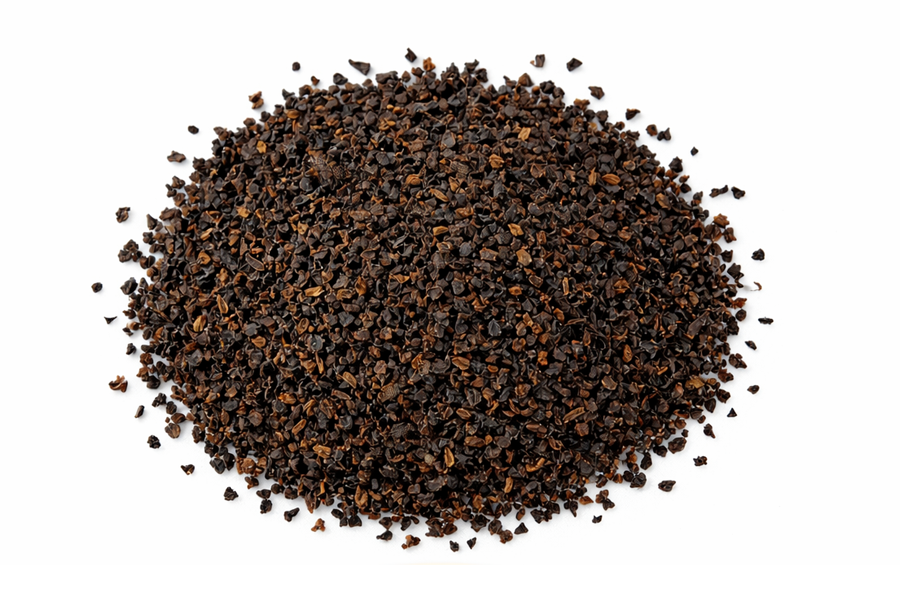
The BOP grade has its roots in the colonial-era tea industry of Sri Lanka, where mechanical processing methods were introduced to increase efficiency. Over time, tea producers realised that broken leaves oxidised more uniformly, enhancing flavor consistency.
 
Renowned for its high antioxidant content, BOP improves heart health, digestion, and mental alertness. Studies suggest that its polyphenols may help reduce inflammation and lower cholesterol levels. The presence of theaflavins and thearubigins, compounds formed during oxidation—contributes to its healing properties, supporting immune function and metabolic health.
 
A daily cup of BOP tea can be a powerful ally in maintaining overall wellness.

Broken Orange Pekoe Fanning’s (BOPF)

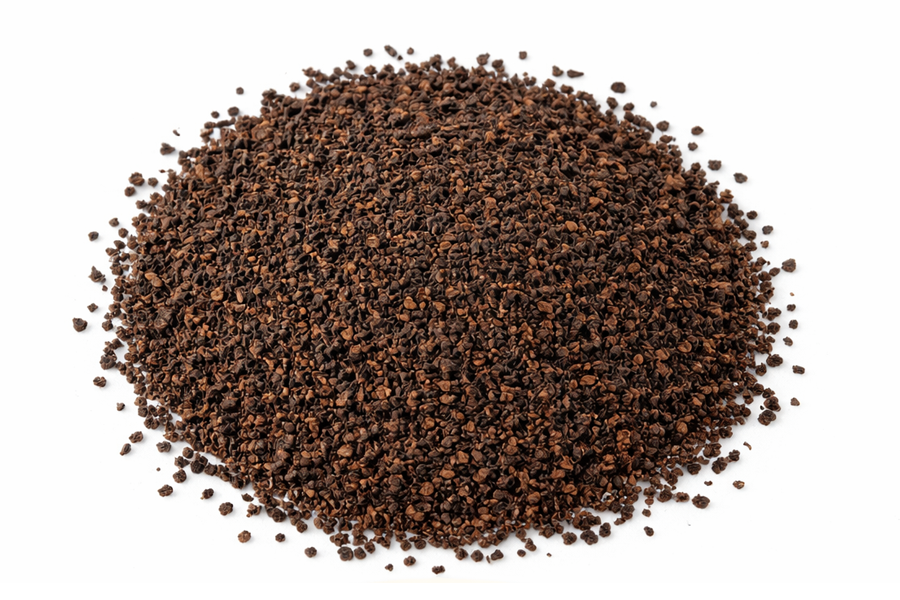
Broken Orange Pekoe Fannings is a finely granulated tea grade, known for its quick infusion and deep, intense flavour. These tiny leaf particles create a strong, brisk cup with a rich colour, making BOPF a preferred choice for tea bags and commercial blends.
 
Despite its small size, this grade delivers a full-bodied taste with a slightly astringent finish, appealing to those who enjoy a robust tea experience.

The production of FBOPF grades evolved alongside the global demand for convenient yet highquality tea. While traditionalists once dismissed fanning’s as inferior, modern processing techniques have ensured that these small particles preserve much of the original leaf’s character.

FBOPF teas are rich in bioactive compounds that aid digestion, boost energy, and enhance circulation. Their quick-release properties mean antioxidants like thearubigins are readily absorbed, offering immediate benefits. Research has linked regular consumption of high-quality fanning’s to improved metabolic rates and even stress reduction, making them a practical yet health-conscious choice.

Flowery Broken Orange Pekoe (FBOP) and Flowery Broken Orange Pekoe 1 (FBOP1)

Flowery Broken Orange Pekoe (FBOP) and FBOP1 are distinguished by their inclusion of golden tips (young tea buds) among broken leaves, contributing to a sweeter, more aromatic cup. FBOP offers a bold, malty flavour with floral undertones, while FBOP1, a higher grade, contains more tips for an even smoother, honey-like taste. These grades strike a perfect balance between strength and refinement, making them popular for both single-estate teas and premium blends.
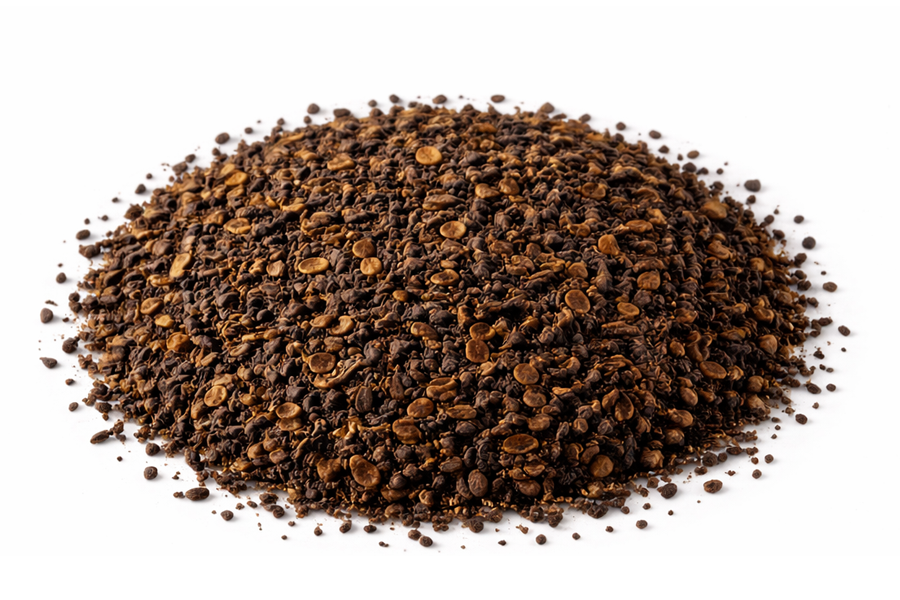
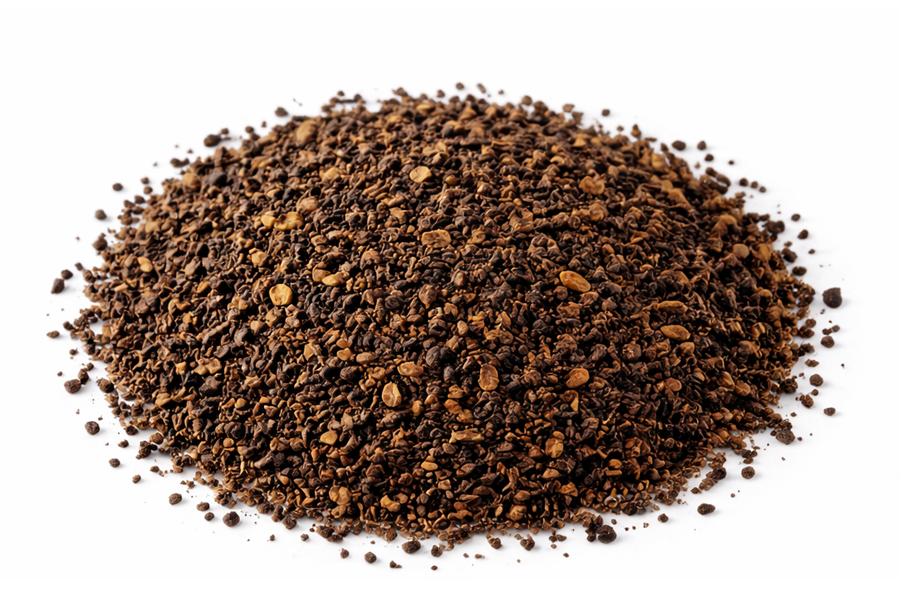
The “Flowery” designation originates from the presence of unopened buds (tips), which were
historically prized in Chinese tea traditions. Sri Lankan producers adopted this classification to highlight teas with a higher proportion of these delicate buds, enhancing both appearance and flavour.
 
FBOP and FBOP1 teas are packed with polyphenols and amino acids like L-theanine, which promote relaxation and focus. The golden tips contain higher levels of antioxidants, upporting immune function and reducing inflammation. Studies indicate that these grades may help regulate blood pressure and improve gut health, making them not just flavourful but also beneficial for holistic well-being.

Flowery Broken Orange Pekoe Fanning’s (FBOPF) and Flowery Broken Orange Pekoe
Fanning’s 1 (FBOPF1)

Flowery Broken Orange Pekoe Fanning’s (FBOPF) and Flowery Broken Orange Pekoe Fanning’s (FBOPF1) are finely granulated teas that include golden tips, offering a quick-brewing yet flavourful experience. These grades retain a surprising depth of taste, rich, malty, and slightly floral, making them ideal for tea bags and strong, brisk infusions. FBOPF1, being a superior selection, contains more tips for added sweetness and aroma.

The production of FBOPF grades evolved alongside the global demand for convenient yet highquality tea. While traditionalists once dismissed fanning’s as inferior, modern processing techniques have ensured that these small particles preserve much of the original leaf’s character.

FBOPF teas are rich in bioactive compounds that aid digestion, boost energy, and enhance circulation. Their quick-release properties mean antioxidants like thearubigins are readily absorbed, offering immediate benefits. Research has linked regular consumption of high-quality fanning’s to improved metabolic rates and even stress reduction, making them a practical yet health-conscious choice.

Flowery Broken Orange Pekoe Fanning’s Special (FBOPF Sp.) and Flowery Broken Orange Pekoe Fanning’s Extra Special (FBOPF Ex. Sp.)

Flowery Broken Orange Pekoe Fanning’s Special (FBOPF Sp.) and Extra Special (FBOPF Ex. Sp.) represent the pinnacle of fanning’s grades, meticulously sorted to include an abundance of golden tips and the smallest, most flavour-packed particles. These teas brew a remarkably rich, aromatic cup with a velvety texture and lingering sweetness, defying expectations for their granular size. The “Extra Special” designation indicates an even higher concentration of tips for an exceptionally smooth finish.
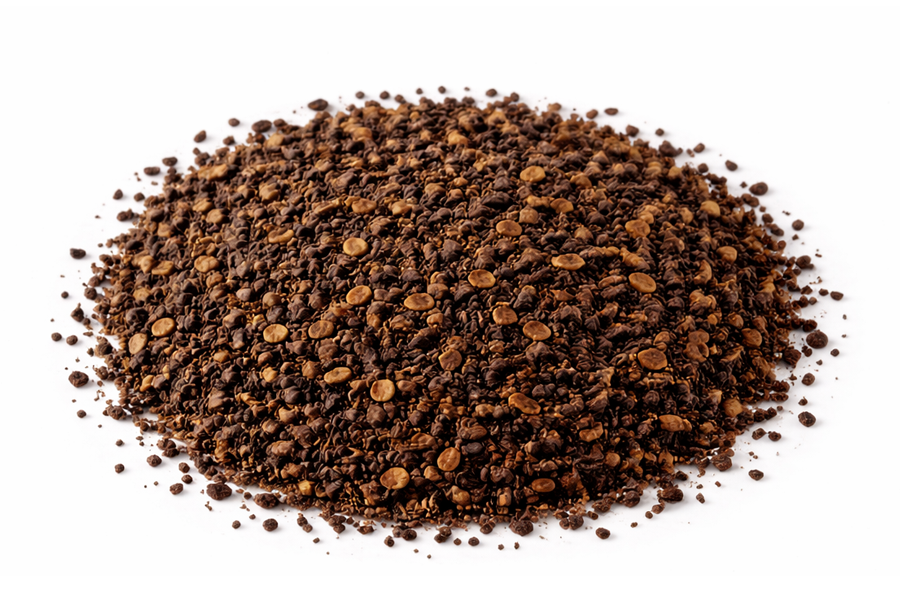
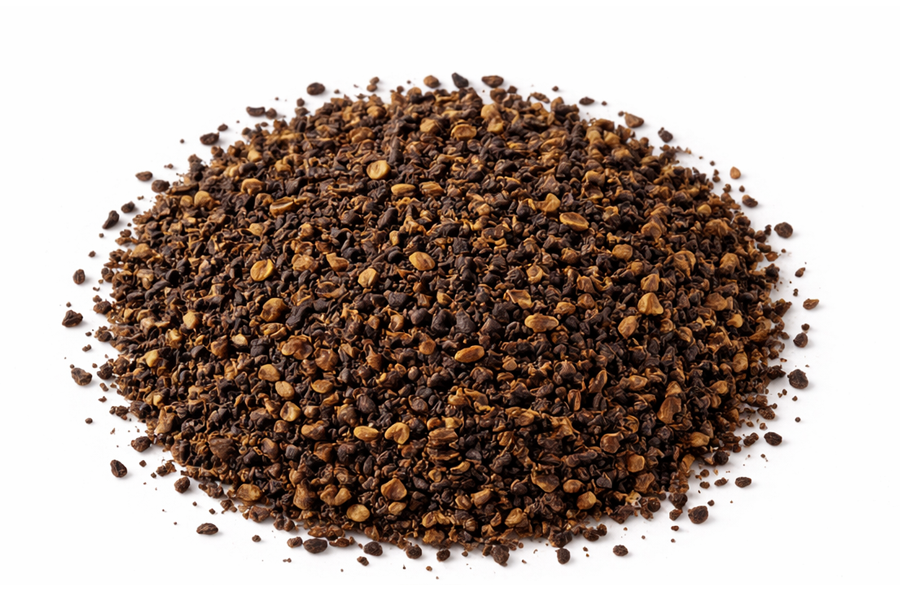
These elite fanning’s grades were developed to meet the demands of premium tea bag
manufacturers and discerning buyers who refuse to compromise on quality. Sri Lanka’s innovation in tea processing allowed these tiny particles to retain the complexity of whole-leaf teas, revolutionising the perception of fanning’s.
 
The high tip content in these grades means elevated levels of theanine and polyphenols, which enhance cognitive function and provide calming effects. Their potent antioxidant profile supports heart health and may help regulate blood sugar levels. Clinical studies suggest that teas with abundant tips, like FBOPF Ex. Sp., can offer superior anti-inflammatory benefits, making them a hidden gem for health-conscious drinkers.

Finest Broken Orange Pekoe Flowery Extra Special (FBOPF Ex. Sp.)

FBOPF EX.SP. represents the pinnacle of Ceylon’s broken-leaf black teas, featuring meticulously sorted, golden-tipped leaves that deliver an exceptionally bright and aromatic cup. This premium grade offers a perfect harmony of strength and sophistication, with a robust malty body complemented by honeyed sweetness and floral high notes.

The “Flowery Extra Special” designation indicates the highest proportion of young buds (tips), which contribute to its sparkling liquor and layered complexity, making it a favourite among discerning tea connoisseurs.
 
Developed in Sri Lanka’s high-grown estates during the mid-20th century, Finest Broken Orange was created to showcase the island’s ability to produce world-class broken-leaf teas that could rival whole-leaf varieties in elegance.
 
FBOPF EX.SP. contains an exceptionally high concentration of golden tips rich in theaflavins and its unique leaf composition provides 23% more polyphenols than standard broken grades, offering superior anti-inflammatory benefits.

Pekoe and Pekoe 1

Pekoe and Pekoe 1 (Pekoe One) are mid-range Ceylon black tea grades, consisting of slightly shorter, more uniform leaves retaining a whole-leaf structure. Pekoe offers a balanced cup with a mild astringency and a smooth, malty sweetness, while Pekoe 1 refines this profile with slightly larger, more tender leaves for a more nuanced taste. Both grades are versatile, suitable for daily drinking and blending.
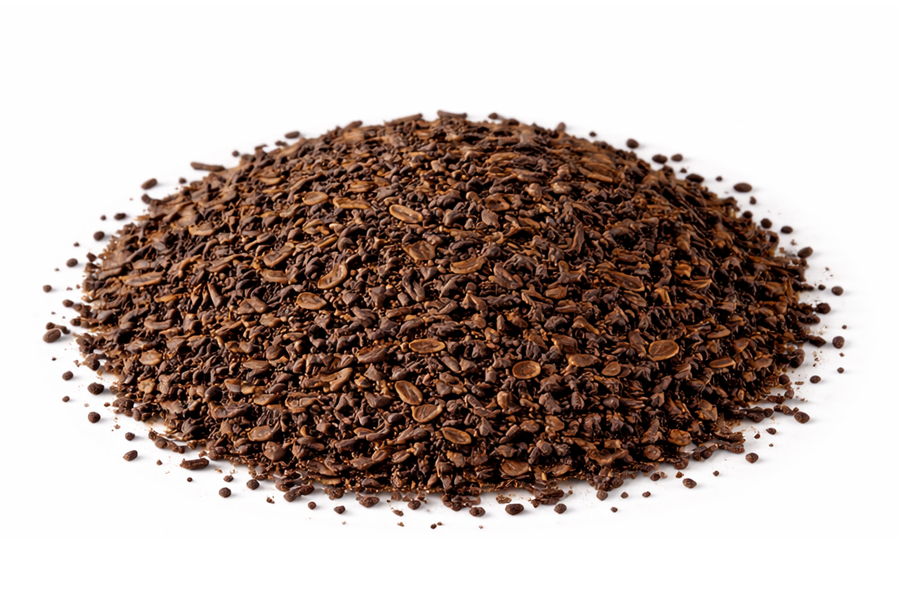
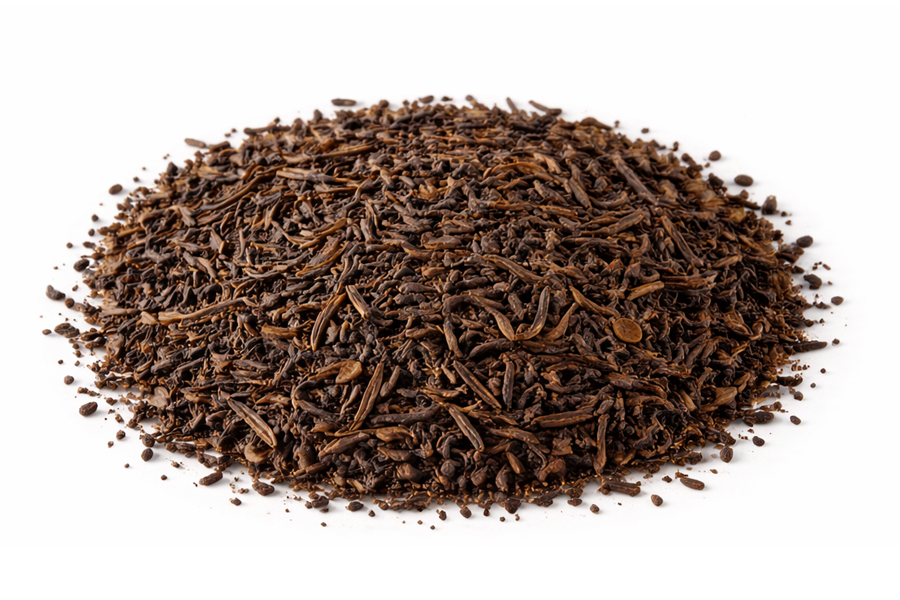
The Pekoe grade traces its origins to early Chinese tea classifications, later adopted by British tea traders in Ceylon. Pekoe 1 emerged as a superior sub-grade, selected for its consistency and slightly higher leaf quality.
 
Pekoe and Pekoe 1 teas contain beneficial polyphenols that aid digestion, enhance metabolism, and support heart health. Their moderate tannin levels provide gentle detoxifying effects, while their natural fluoride content promotes dental health. Regular consumption may help regulate blood sugar levels and reduce stress, making these grades both comforting and beneficial for long-term wellness.

Orange Pekoe (OP)

Orange Pekoe represents a high-quality whole-leaf grade of Ceylon black tea, characterised by long, wiry leaves that unfurl beautifully during brewing. OP offers a more delicate yet complex flavour profile, with floral and citrusy notes and a smooth, refined finish. This grade is prized for its elegance and is often enjoyed as a single-origin tea to appreciate its nuanced taste.

The term “Orange Pekoe” dates back to the Dutch East India Company, where “Pekoe” referred to young tea leaves and “Orange” honoured the Dutch royal House of Orange. Over centuries, OP became synonymous with premium whole-leaf tea, with Sri Lanka perfecting its cultivation and processing techniques.
 
OP tea is rich in antioxidants like EGCG (epigallocatechin gallate), which supports cellular health and may reduce the risk of chronic illnesses. Its moderate caffeine content enhances focus without overstimulation, while its anti-inflammatory properties promote digestion and relaxation.
 
Today, OP remains a benchmark for quality, embodying the heritage and craftsmanship of Ceylon tea which makes it a sophisticated choice for both taste and well-being.

Dust and Dust 1

Dust and Dust 1 are the smallest particles in Ceylon tea grading, traditionally used in commercial tea bags and instant tea products. Despite their name, these grades pack a powerful punch— brewing a dark, intensely strong cup with a bold, brisk flavor. Dust 1, being slightly finer and more refined, offers a marginally smoother taste, though both are prized for their quick extraction and cost-effectiveness.
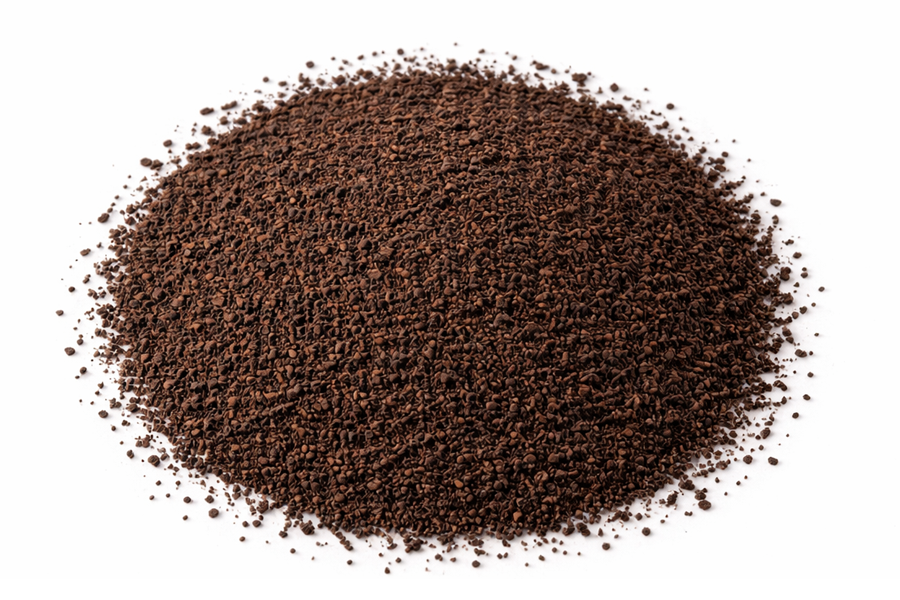
Historically, “Dust” was considered a byproduct of tea processing, but with the rise of massmarket tea consumption, it became a vital commodity. Sri Lanka’s tea industry optimized Dust production to ensure maximum efficiency without sacrificing the signature Ceylon briskness. While purists may overlook it, Dust remains a cornerstone of the global tea trade, particularly in regions where strong, economical tea is preferred.

Though less nuanced than whole-leaf grades, Dust tea still contains beneficial compounds like flavonoids and caffeine, which can boost alertness and aid digestion. Its high concentration of theaflavins may contribute to cholesterol management, while its affordability makes it an accessible source of antioxidants for daily drinkers. Research confirms that even smaller tea particles retain health benefits, proving that every grade of Ceylon tea has value.

The Amber Jewel: Blisma Black Tea

Born from the collision of colonial ambition and tropical terroir, Ceylon black tea reigns as Sri
Lanka’s most celebrated export; a symphony of bold flavours encased in copper-hued liquor.
When coffee blight devastated plantations in the 1860s, Scottish pioneer James Taylor
transformed the island’s destiny by planting China’s tea seeds in Kandy’s red earth. What
emerged was nothing short of alchemy: a bright, brisk black tea unlike any other, its distinctive character shaped by equatorial sun and mountain mist.

Today, the Lion logo stamped on Ceylon tea chests symbolises a global standard of excellence, carrying within each leaf the legacy of planters who turned adversity into artistry.
 
Sri Lanka’s tea-growing districts form a natural amphitheater where elevation dictates personality. From the citrusy sparkle of 6,000-foot Nuwara Eliya plantations to the malty depth of low-grown Ruhuna leaves, each microclimate imprints its signature.
 
Tea bushes thrive on terraced slopes where diurnal temperature swings and monsoon-seasoned soils create perfect tension, the plants struggle just enough to concentrate flavor in their emerald leaves. Ceylon’s tea grows unfettered beneath open skies, absorbing the island’s vital energy into every serrated leaf.

The transformation from emerald leaf to ebony brew follows an intricate choreography perfected over 150 years. Skilled pluckers perform their daily ballet, harvesting the tender “two leaves and a bud” with calloused precision. These emerald treasures undergo withering in cavernous lofts, where warm air coaxes out moisture until leaves sigh with flexibility. The true magic begins in rolling machines that rupture cell walls, releasing enzymes that oxidize when exposed to air, a process formerly called “fermentation” that turns leaves from jade to amber to rich mahogany. Finally, the fiery kiss of drying arrests oxidation at its peak, locking in notes ranging from orange zest to dark chocolate before master tasters grade each batch by size and purity.
 
More than mere beverage, Ceylon black tea is liquid vitality. Its theaflavins, golden-hued
polyphenols formed during oxidation, wage war against arterial plaque, while its moderate
caffeine (half coffee’s strength) awakens the mind without fraying nerves.
 
Research reveals regular drinkers benefit from strengthened immunity, improved gut microbiota, and even reduced stroke risk, all contained within a single porcelain cup. Yet beyond clinical virtues lies a deeper alchemy: the ritual of steeping becomes meditation, the tannic bite a grounding force, the floral aftertaste a reminder of misty highlands.
 
To drink Ceylon black tea is to consume sunlight captured by leaves, a daily communion with nature’s intelligence that fortifies body and soul in one amber-hued elixir.